



0 items | AUD  0.00

Follow us

We would love you to follow us on Social Media to stay up to
date with the latest Hey Sigmund news and upcoming events.
Online Store

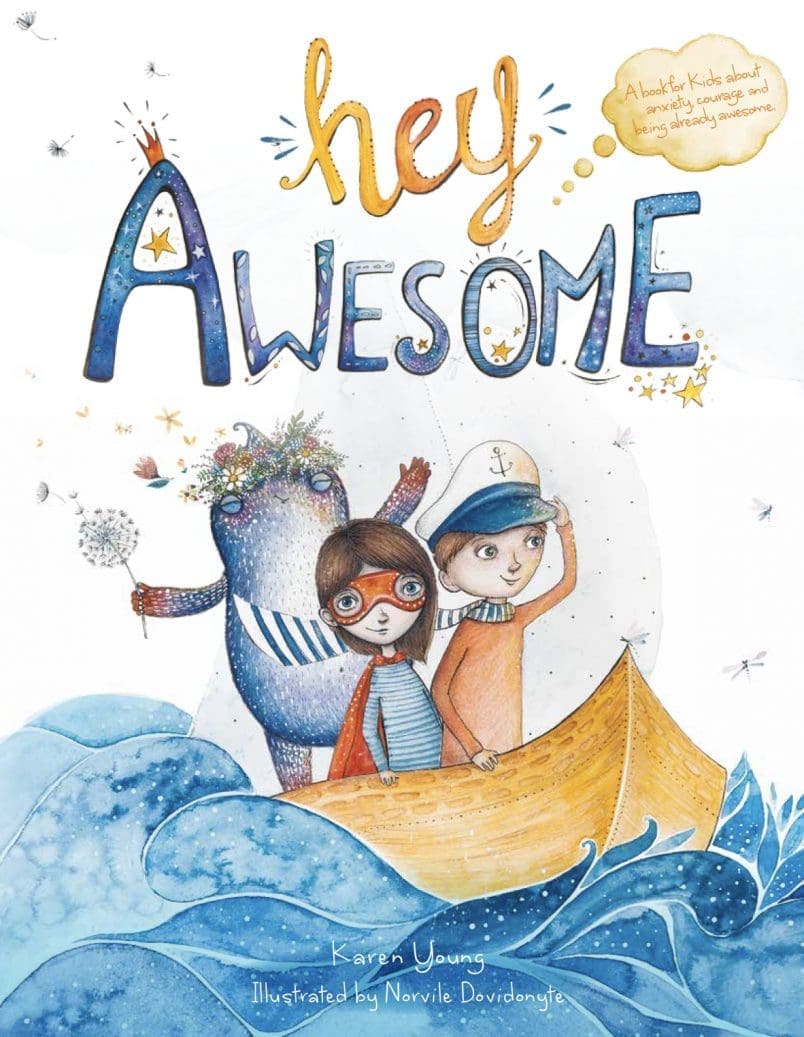
Browse our range of exciting new products from the Hey Sigmund online store and pick up a copy of Karen’s new book “Hey Awesome.”

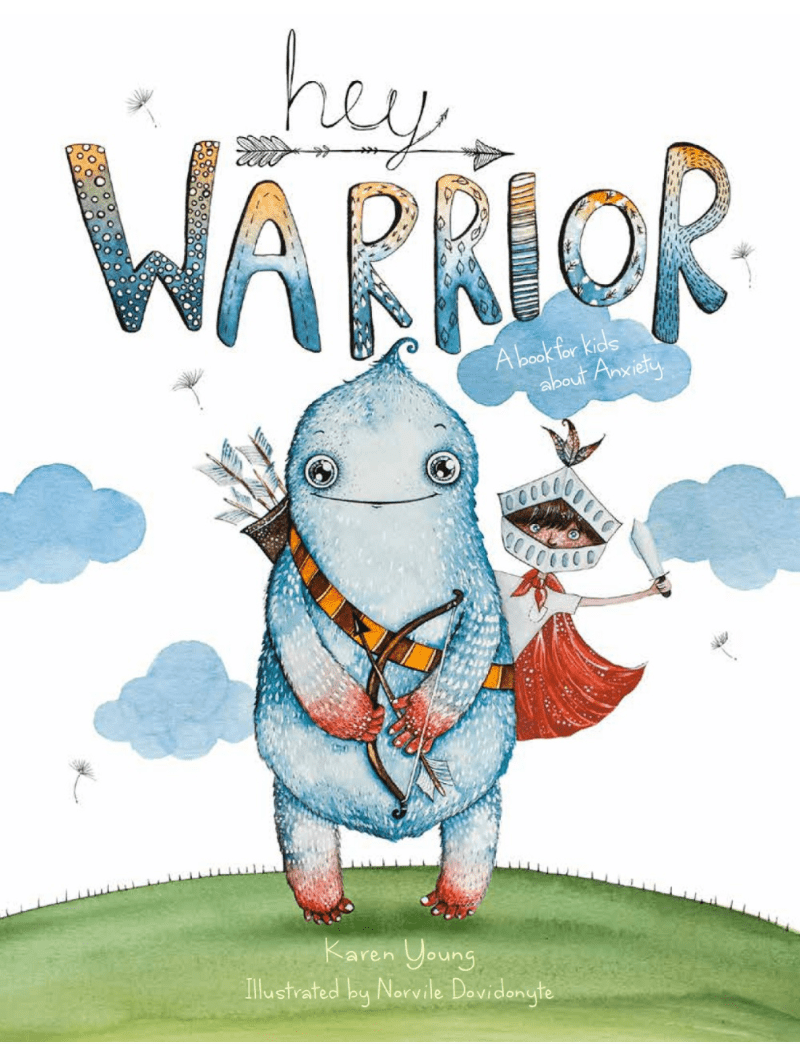
  • Hey Warrior

    Hey Warrior

    A book for kids about anxiety. Kids can do amazing things with the right information. Understanding

    AUD  22.95 + This product has multiple variants. The options may be chosen on the product page
  • Hey Awesome

    Hey Awesome

    If kids with anxiety could see themselves the way we see them, they would feel so much bigger than

    AUD  22.95 + This product has multiple variants. The options may be chosen on the product page
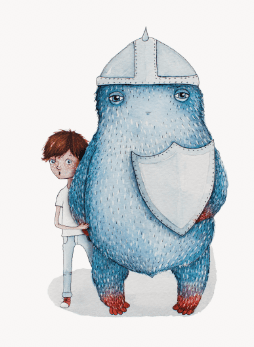
  • But We’re Not Lions!

    But We’re Not Lions!

    The animals were mighty and magnificent, but they were miserable! For way too long, they'd been
    AUD  22.95 + This product has multiple variants. The options may be chosen on the product page

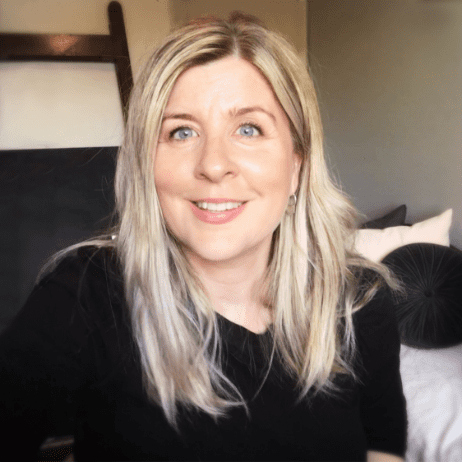
About Karen Young

Karen has worked as a psychologist in private practice and in educational and organisational settings. She has lectured and has extensive experience in the facilitation of personal growth. Her honours degree in Psychology and Masters in Gestalt Therapy have come in handy at times.
Read Karen’s Story

Stay in the know.

Receive our free newsletter for articles and information about the art of being human - anxiety, kids, teens, parenting, stress, relationships, depression - and so much more.

Follow Hey Sigmund on Instagram

When terrible things happen, we want to make sense of things for our kids, but we can’t. Not in a way that feels like enough. Some things will never make any sense at all.

But here’s what you need to know: You don’t need to make sense of what’s happened to help them feel safe and held. We only need to make sense of how they feel about it - whatever that might be.

The research tells us so clearly that kids and teens are more likely to struggle after a tr@umatic event if they believe their response isn’t normal. 

This is because they’ll be more likely to interpret their response as a deficiency or a sign of breakage.

Normalising their feelings also helps them feel woven into a humanity that is loving and kind and good, and who feels the same things they do when people are hurt. 

‘How you feel makes sense to me. I feel that way too. I know we’ll get through this, and right now it’s okay to feel sad/ scared/ angry/ confused/ outraged. Talk to me whenever you want to and as much as you want to. There’s nothing you can feel or say that I can’t handle.’

And when they ask for answers that you don’t have (that none of us have) it’s always okay to say ‘I don’t know.’ 

When this happens, respond to the anxiety behind the question. 

When we can’t give them certainty about the ‘why’, give them certainty that you’ll get them through this. 

‘I don’t know why people do awful things. And I don’t need to know that to know we’ll get through this. There are so many people who are working hard to keep us safe so something like this doesn’t happen again, and I trust them.’

Remind them that they are held by many - the helpers at the time, the people working to make things safer.

We want them to know that they are woven in to a humanity that is good and kind and loving. Because however many people are ready to do the hurting, there always be far more who are ready to heal, help, and protect. This is the humanity they are part of, and the humanity they continue to build by being who they are.♥️
It’s the simple things that are everything. We know play, conversation, micro-connections, predictability, and having a responsive reliable relationship with at least one loving adult, can make the most profound difference in buffering and absorbing the sharp edges of the world. Not all children will get this at home. Many are receiving it from childcare or school. It all matters - so much. 

But simple isn’t always easy. 

Even for children from safe, loving, homes with engaged, loving parent/s there is so much now that can swallow our kids whole if we let it - the unsafe corners of the internet; screen time that intrudes on play, connection, stillness, sleep, and joy; social media that force feeds unsafe ideas of ‘normal’, and algorithms that hijack the way they see the world. 

They don’t need us to be perfect. They just need us to be enough. Enough to balance what they’re getting fed when they aren’t with us. Enough talking to them, playing with them, laughing with them, noticing them, enjoying them, loving and leading them. Not all the time. Just enough of the time. 

But first, we might have to actively protect the time when screens, social media, and the internet are out of their reach. Sometimes we’ll need to do this even when they fight hard against it. 

We don’t need them to agree with us. We just need to hear their anger or upset when we change what they’ve become used to. ‘I know you don’t want this and I know you’re angry at me for reducing your screen time. And it’s happening. You can be annoyed, and we’re still [putting phones and iPads in the basket from 5pm] (or whatever your new rules are).’♥️
What if schools could see every ‘difficult’ child as a child who feels unsafe? Everything would change. Everything.♥️
Consequences are about repair and restoration, and putting things right. ‘You are such a great kid. I know you would never be mean on purpose but here we are. What happened? Can you help me understand? What might you do differently next time you feel like this? How can we put this right? Do you need my help with that?’

Punishment and consequences that don’t make sense teach kids to steer around us, not how to steer themselves. We can’t guide them if they are too scared of the fallout to turn towards us when things get messy.♥️

Pin It on Pinterest

Secret Link