


From the moment we are born, life revolves around milestones. Your first word, first step, graduation day, engagements, marriage, and even the moment you decide you’re ready to start trying for children.
For most people, however, choosing egg donation as a solution to their infertility does not make the list of memorable moments.
My husband and I are not most people.
Becoming a Statistic: Discovering we were 1 in 8.
Like most happy couples, the first few years of our marriage were pure bliss. We dedicated ourselves entirely to one another and enjoyed our newly minted marital status. Eventually, though, the timing felt right and we opened the door to a conversation about getting pregnant.
It’s not always easy deciding you’re ready to have children, but when you finally come to that conclusion – it’s exhilarating. You leave the safety and comfort you’ve found as a family of two and begin to dream of the future memories and moments you will have with your kids.
For us, however, the exhilaration was short-lived.
Time after time, I sat down in the bathroom to take a pregnancy test. I would carefully wash my hands and hold my breath as the timer ticked away bringing us seconds closer to the moment we’d been praying about.
Time after time, our tests were negative.
As months wore into years without a single positive result, we began searching for help. Our lives became a whirlwind of fertility appointments that ended in numerous IUI’s and eleven arduous IVF and fertility embryo transfer cycles.
Despite the best efforts of our reproductive specialist, we were no closer to a baby then we’d been at the start.
Following our last failed cycle, we sat in our doctor’s office and awaited a new answer, a new shred of hope. I can recall the ticking of a clock and the quickening of my heartbeat when the doctor walked into the room. Rather than explain our next course of action, however, he gave us news a woman never wants to hear.
My body was incapable of sustaining a pregnancy created using my own eggs; my eggs were not viable.
Navigating the Emotions of Infertility.
There are few things more heart-wrenching than coping with infertility in an age where our lives are blasted on social media, our emotions are constantly being affronted by pregnancy announcements, births, and the next generation’s collection of milestone moments.
Following my doctor’s diagnosis, I found myself traversing the five stages of grief we’ve all heard about:
- Denial & Isolation
- Anger
- Bargaining
- Depression
- Acceptance
As hard as I tried to accept the information my doctor gave us; it still felt like a helpless task. I wallowed in moments of self-pity and sometimes found myself angry at the unfairness of it all.
For couples struggling with infertility, the same questions present themselves over and over:
- Why is it so easy for some women to get pregnant?
- What would have happened if we’d started trying sooner?
- Should we have sought out help before we did?
- If I keep trying will I eventually be successful?
We were riddled with a constant barrage of why’s and what-if’s. Some days it felt as though the emotions that came with this journey were too much for one person to bear. Eventually, however, I saw that the only way out was by simply coping with them.
Accepting What Cannot Be Changed.
Coming to terms with our situation felt like an impossible task. In the days that followed our appointment, my ability to make logical decisions about our next step was blinded by the way I was feeling. We decided it was time for a break.
Instead of trying to figure out what came next, I took the time to confront my emotions. I’ve learned over the years that when women are dealing with any number of different infertility diagnoses, the best way to move forward is by giving yourself a chance to breathe and accept.
Rather than trying to run away from your emotions, learning how to cope with the grief and loss of infertility is an essential part of the process. Depending on your own responses to stress, there are so many coping mechanisms you can try, such as:
- counseling;
- journaling;
- creative outlets;
- communicating with your partner;
- vacation;
- and exercise.
In our break from trying, I allowed myself to be whatever I needed to be at any given moment. Whether I needed to feel angry, frustrated, or even depressed, I took the time to process those emotions.
I can’t remember now how long it took before I began to feel a little more normal. In my heart, I knew that I had finally begun to accept the fact that I would never have my own biological child; but that didn’t mean I was ready to give up hope for a family.
It was during this period that adoption came to the forefront of our minds.
The Highs and Lows of Adoption.
Once my husband and I were ready to continue trying for a child, we knew that adoption was the next step.
Through this beautiful process, we finally became what we’d been dreaming of – parents.
I wish I could find the words to describe the way I felt when we first laid eyes on our little boy. Though a trying experience filled with paperwork, adoption fees, and trips to Guatemala, it was one of the most significant journeys of my life.
We were elated to finally be a family of three, and amazed by how much we loved our son. Soon though, we began to wish for a daughter. We’d always dreamt of having two children and, after a few years, the niggling sensation that it was time to try again became our constant companion.
We’d had such an amazing experience with our first adoption that we decided to go through the same channels and try again. Unfortunately, though, we weren’t prepared for the road that lay ahead.
In the few short years since we’d brought our son home, adoption laws had changed – the processes used before would no longer work.
We spent six long years attempting to adopt a little girl from Guatemala. Six long years of trips back and forth, headaches over adoption costs, and moments spent with the child we thought was to be our daughter. In the end, however, we were told it wasn’t going to happen.
We were devastated.
When infertility is a part of your life, you yearn for the opportunity to have children. When you’re so close to achieving that dream and the chance is then ripped away, the pain is unprecedented.
We took some time to regroup and recover from the loss we’d experienced. Once we felt ready to move forward, we decided that we couldn’t bear the emotional risk of another adoption failing.
Why are Donor Eggs the Answer Some May Be Searching For?
I’d love to say that once we decided to try donor eggs I was fully over the fact that I could not have my own biological children. While that was mostly true, and I’d made vast emotional progress, the idea of carrying using another woman’s eggs was still something I needed to wrap my head around.
What finally brought me comfort, however, was the simple fact that I would be given the chance to carry our child.
For a woman who’s told her eggs aren’t viable, one of the hardest blows is the thought that she may never experience pregnancy. So many of us dream of the day when we’ll hear our baby’s heartbeat for the very first time, or relishing the nights spent with our husband’s hand atop our belly feeling the sweet kicks and wiggles of our little one.
And finally, the day when we diligently work through labor and delivery to bring that child into the world.
With donor egg IVF, the chance to have those experiences is restored.
Life After Infertility.
You know those calming, quiet moments after a big storm? That’s kind of what life after infertility feels like.
Following our own fresh donor egg IVF cycle, we were blessed with a set of twins that have brought us more happiness than we ever thought possible. With those two little babies, our dream of having a family was finally complete.
Regretfully, there’s no black and white path that will lead through infertility. Every couple has a different set of issues and every couple will choose a different manner of dealing with them.
Whether they choose:
- IVF;
- adoption;
- surrogacy;
- or donor eggs,
know that they are making the best decisions for them and their family.
What I do know, however, is that at the end of the day when the conclusion of the journey is reached – they will come out of it stronger, better people. Maintaining faith and optimism throughout moments of weakness are two of the best ways to make it through successfully.
I’m not sure why some couples have to suffer the trials and tribulations of infertility while others don’t, but I do know there is much help to be found.
About the Author: Heidi Hayes
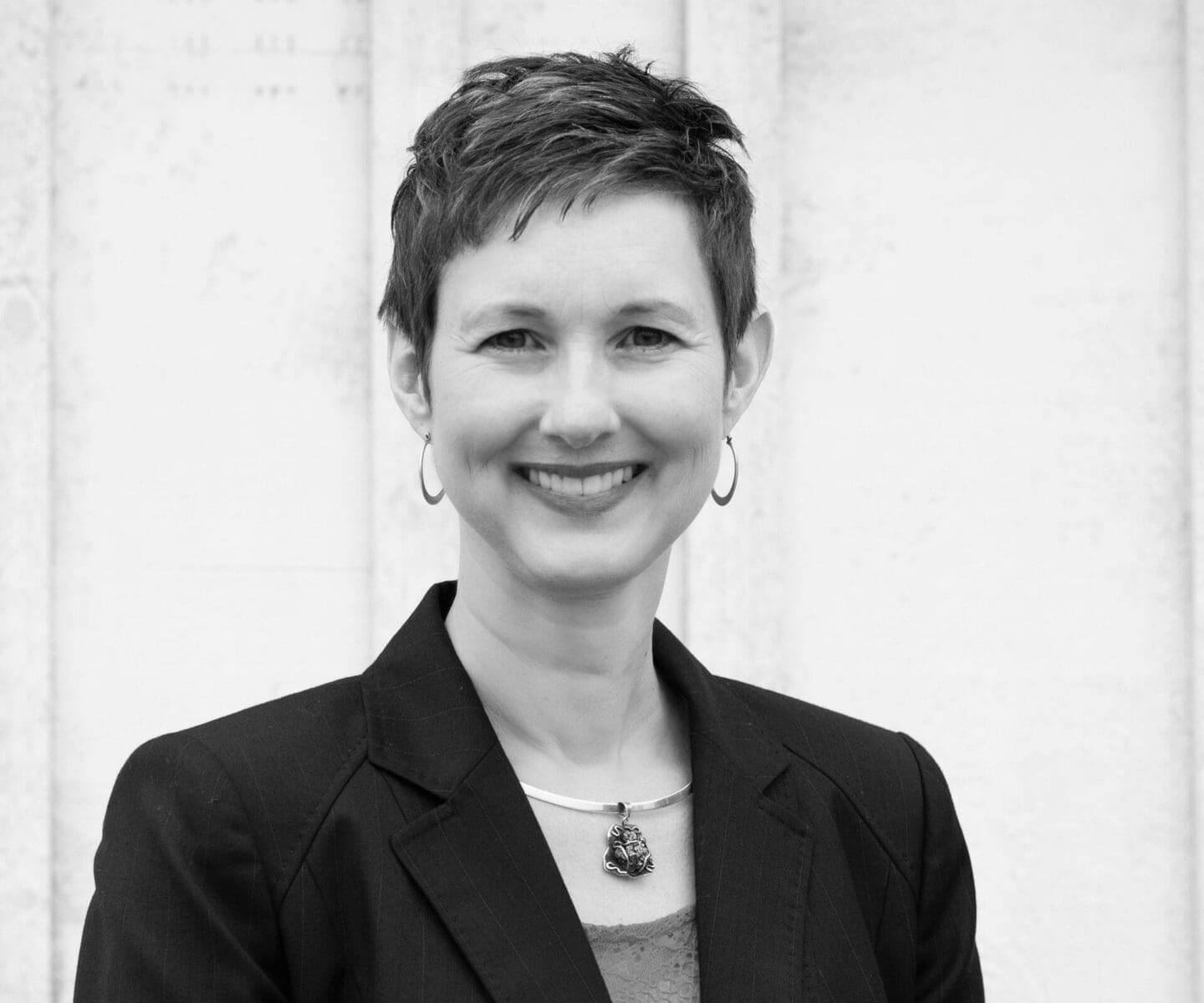 Heidi Hayes is the Executive Vice President of Donor Egg Bank. She has more than 20 years of healthcare experience and has worked extensively in the field of reproductive endocrinology. Having been unsuccessful at traditional IUI and IVF treatments, Heidi personally understands the struggles of infertility. After many years of trying to conceive, she ultimately built her family through adoption and donor egg treatment. She always believed that if she didn’t give up, her ultimate goal of becoming a parent would someday become a reality.
How infertility can result in stress and how it changes life in many way. All this information is well mentioned in this post. Lifestyle is another major reason for infertility. Nicely written post.Thanks for sharing this information