

Follow us

We would love you to follow us on Social Media to stay up to
date with the latest Hey Sigmund news and upcoming events.
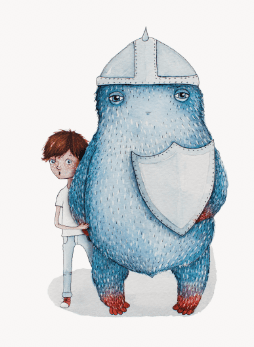
Online Store

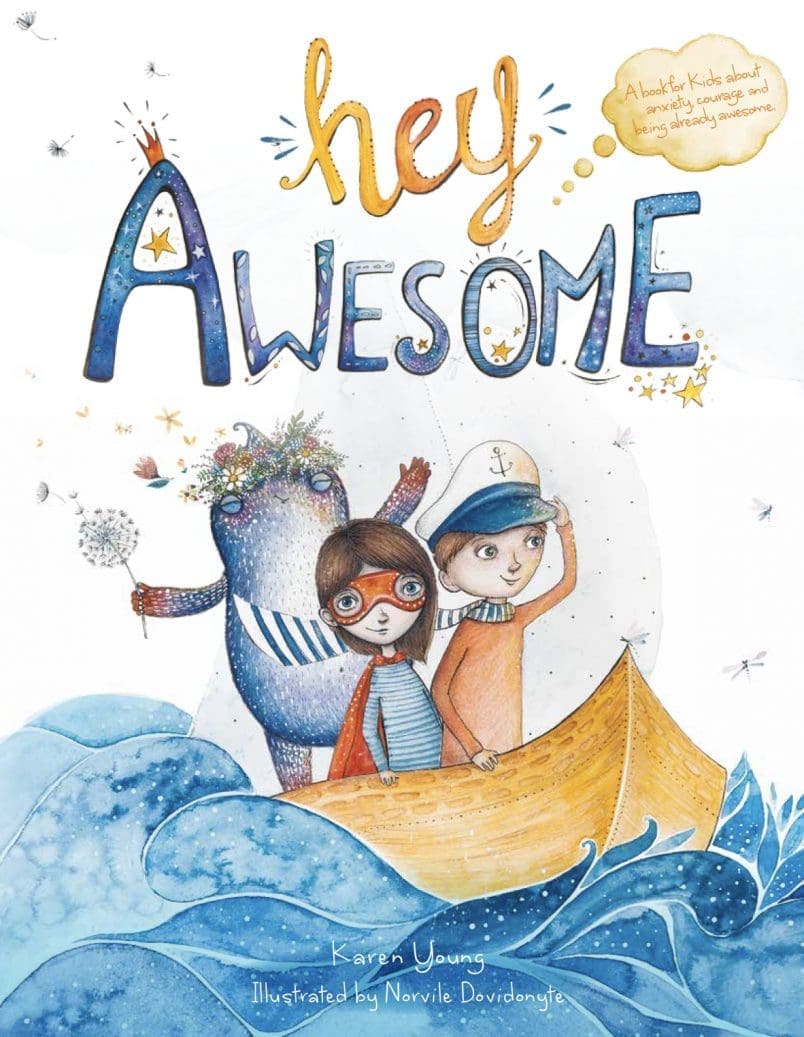
Browse our range of exciting new products from the Hey Sigmund online store and pick up a copy of Karen’s new book “Hey Awesome.”

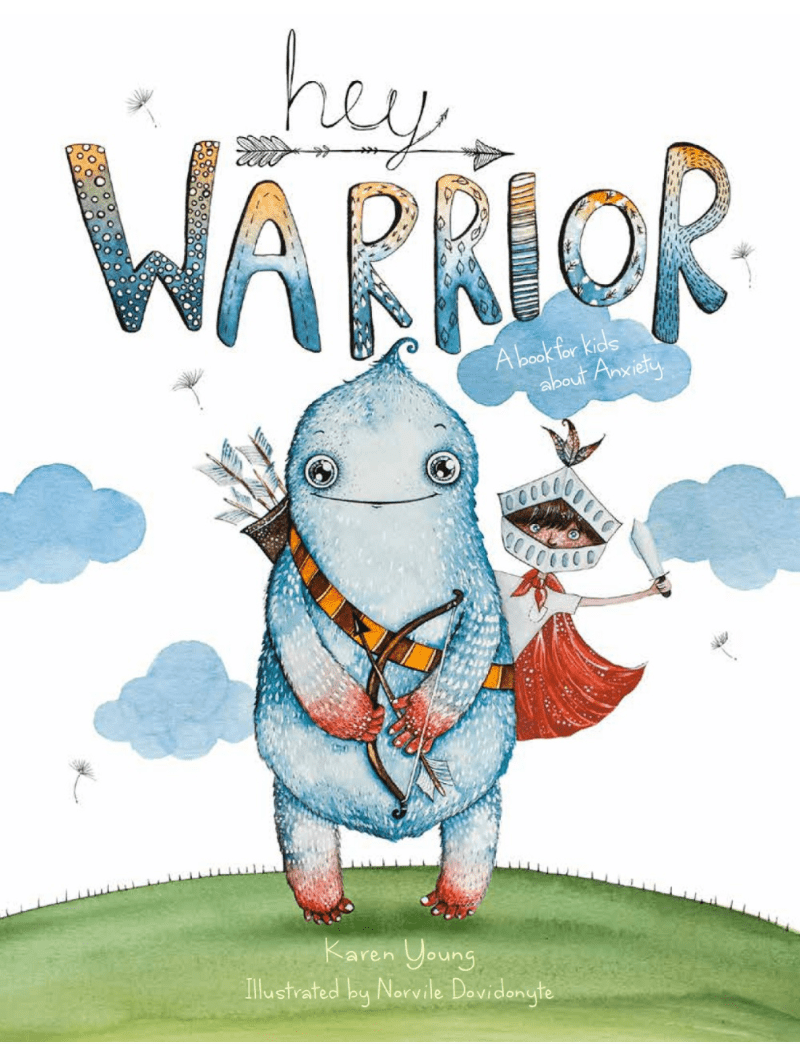
  • Hey Warrior

    A book for kids about anxiety. Kids can do amazing things with the right information. Understanding

    EUR €12.10 +
  • Hey Awesome

    If kids with anxiety could see themselves the way we see them, they would feel so much bigger than

    EUR €12.10 +
  • But We’re Not Lions!

    The animals were mighty and magnificent, but they were miserable! For way too long, they'd been
    EUR €12.10 +

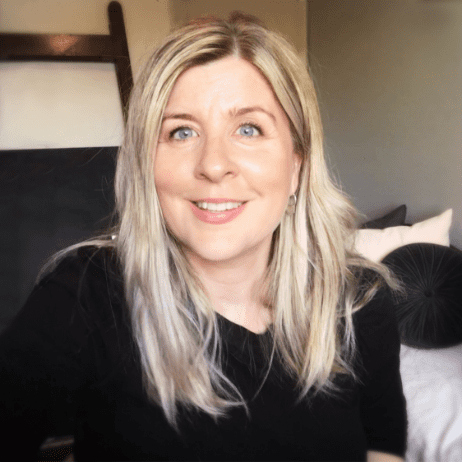
About Karen Young

Karen has worked as a psychologist in private practice and in educational and organisational settings. She has lectured and has extensive experience in the facilitation of personal growth. Her honours degree in Psychology and Masters in Gestalt Therapy have come in handy at times.
Read Karen’s Story

Stay in the know.

Receive our free newsletter for articles and information about the art of being human - anxiety, kids, teens, parenting, stress, relationships, depression - and so much more.

Follow Hey Sigmund on Instagram

Part of my chat with my beautiful friend @michellemitchell.author about the upcoming @resilientkidsconference in Melbourne. 

I’ll be coming together with Michelle, Maggie Dent, and Justin Coulson. These days are so full of powerful, practical information. And the energy in the room - it’s just so wonderful. 

I’ll be giving really practical information for parents and carers on how to strengthen young people through anxiety towards the brave, important things they need to to. We know parents and careers have the most profound capacity to grow courage and resilience in young people, and to move them through anxiety. Let us show you how.

For more information or tickets to Melbourne and Adelaide see here https://www.resilientkidsconference.com.au/conference/

We’d love to share the day with you.♥️
When our children are anxious, we will be driven to protect. Every. Single. Time. Sometimes this will be anxiety working exactly as it should, and giving us what we need to keep them safe. Sometimes though, it will run interference with brave behaviour. 

This is why their brave will often start with ours. When you feel their anxiety, take a second to get clear on what you are responding to. Is your anxiety in response to an unsafe situation, or to their distress at doing something new, hard, brave? Then, let this guide your response. 

Sometimes protecting them will be exactly the right thing to do, and sometimes it won’t. 

Protection is there to hold them back from danger, but if their anxiety is there because they’re about to do something brave, new, or important, that’s what we’re potentially holding them back from. 

We won’t get it right all the time, and that’s okay. The challenge is to do what we do with awareness and being more deliberate with our response.♥️

#parents #parenting #childdevelopment #childanxiety #mindfulparenting
You know how much I love a room full of parents - last night it was in Devonport, Tasmania. Such a beautifully warm and engaged audience of 200 parents, carers , and other important adults, all there to explore how to strengthen their young ones through anxiety. 

Today we get to do it again, but this time we’ll be looking at how to ‘neuro-nurture’ our young ones - how to respond to big feelings and behaviour, and support regulation and learning. 

This is all with huge thanks thanks to Primary Health Tasmania and Devonport City Council.♥️
One of the hardest things as a parent can be deciding when to protect our kids and when to support them into brave.

Brave, hard, new things (scary-safe) will often feel like dangerous things (scary-dangerous). Their brave things will often feel scary for us too.

There’s a good reason for this. We’re designed to feel distress at their distress. This is how we keep them safe. But - it’s also why their anxiety will drive anxiety in us. It’s normal, necessary, and the thing that makes us loving, beautiful, available parents.

When they are in is danger, our distress will give us the resources, the will, the everything to keep them safe.

But those signals can also run interference on brave behaviour. Anxiety can make safe, brave, important things feel like dangerous things. This is normal and healthy. What matters is our response.

Sometimes making the decision, ‘Do I step back into safety or forward into brave?’ is too much for our young ones, so we have to make the decision for them.

What we decide, they will follow. They might be achingly unwilling for a while, but eventually they will follow.

You will see evidence of this everywhere in your home: Do I need to brush my teeth? Is it okay if I hit? Do I need to be kind? Do I matter? Is my voice important? And the big one to strengthen them against anxiety … Can I feel anxious and do brave? The decision on most of these is an easy ‘yes’. We decide. They follow (eventually).

With anxiety, the line can be blurry. This is why we have to ask, ‘Do they feel like this because they’re in danger or because they’re about to do something brave?’

If you don’t believe they’re safe - at school, swimming lessons, with the person taking care of them in your absence - they won’t either. Are your concerns valid? Are you reacting to the situation or to their distress? Do you need more info or conversation to feel more certain that they are safe? None of these are rhetorical. They are genuine questions we need to ask so we can position ourselves to respond the way they need us to - either by holding them back into safety, or giving plenty of signals of safety so they can feel bigger and safer as they move forward into brave.♥️
For all young people, the more their important adults (teachers, coaches) can help them feel safe, seen, cared for, the more those kids will feel safe enough to ask for help, take safe risks, learn, be curious, be brave, learn, grow. 

The research is so clear on this. Students who genuinely feel cared for by their teachers do better at school. This is because when children feel relationally safe, the learning brain opens wide up. Without that felt sense of relational safety, the brain will focus on getting ‘safe’, rather than learning. 

Any ideas that behaviour at school should be managed with separation based discipline, shame, star charts or behaviour charts or anything that publicly ranks students, or overly-stern voices are so outdated, are not at all informed by science. Fear does not motivate. It shuts down the learning brain and makes it impossible for children to learn. It does the same to adults. 

Teachers change lives. They really do. So much of this isn’t about what they teach, but about who they are. When children feel seen and safe, the learning will happen. The brain will surrender safety resources and allow those resources to feed into curiosity, learning, connecting, and growing in all the vibrant ways we know they can.♥️

Pin It on Pinterest