

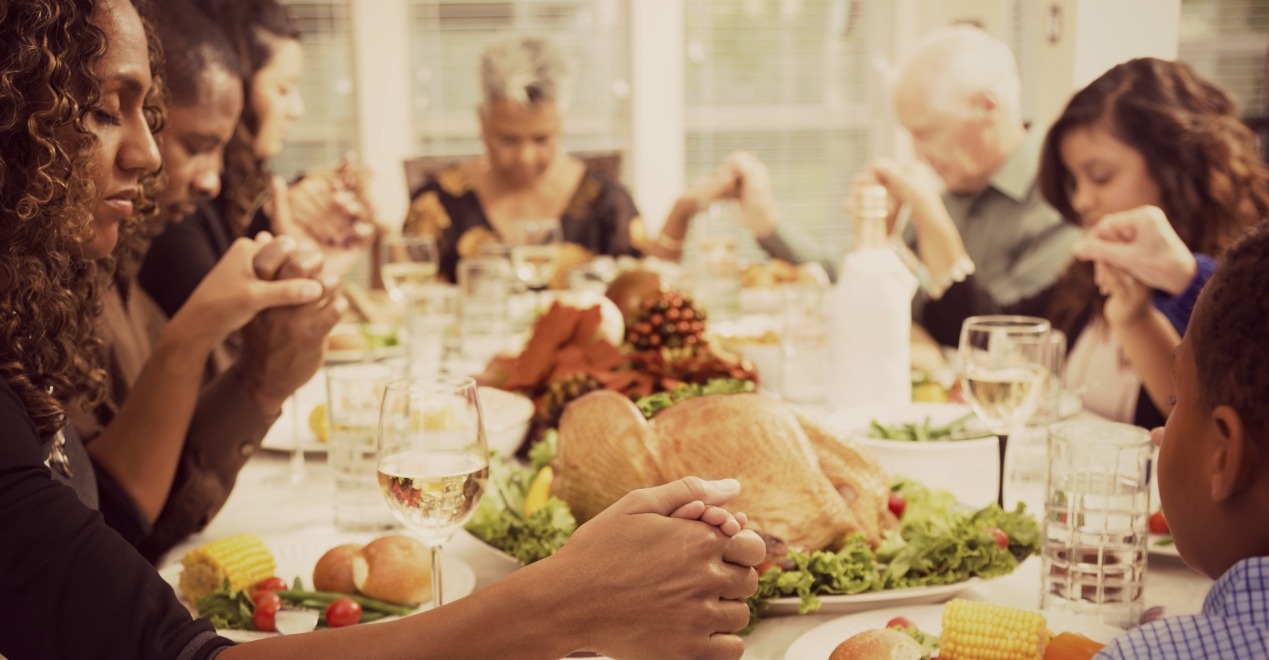
Thanksgiving is a great time to promote important values such as generosity, kindness, solidarity and gratitude in your children. The problem is that children often want, want, want, with no accountability to feel grateful for what they receive.
I remember that two years ago my oldest daughter started throwing her toys around and stomping her feet because she was tired of them only one hour after opening her gifts. It made me realize that I really have to work on teaching my kids the value of being thankful even at young age.
-
Less is more.
Having plenty of toys for my girls to break in a matter of minutes meant absolutely nothing to them. And although they were gifts, I explained to them about those who are less fortunate. During the course of the last couple of years I had my children give their unwanted toys to children in shelters. I talked to them about kids who never receive toys and many others who do not even have a home. Trust me, your children will fully understand how blessed they are when they see the unfortunate conditions other kids have to put up with.
-
Wants vs. needs
A good lesson for younger children is to have them create a wish list of needs vs. wants. Does your child really need 15 to 20 toys for Christmas or birthday? As parents we are sometimes forced to buy everything we can grab out of the toy aisles but we need to reduce and control ourselves before we spoil our children. Have your child make a list of things they really want. Then go through the list, examining everything with your child, and discuss what they could actually use or need and what they can do without. A discussion like this will allow your kids to review the ‘ridiculous’ demands of what they want and open a constructive dialogue on the matter.
-
Adopt a family.
Maybe it is not in the budget, but think about adopting a family for Thanksgiving. Have your child choose the toys or clothes to give them. The private conversation about why you are doing it will leave a permanent impression on your kids and make them feel grateful that the circumstances of their lives are very different.
-
Tasks for change.
Young children do great job tasks. A task table keeps them on track and is a fun way to help organize and sort out their responsibilities. A great reward is to give them some change since having money means having the ability to buy things and children love to buy things. After having your child work hard to store up a lot of change, you have to choose a gift they want to buy and if they have not made enough money to buy it, explain how they have to continue to earn more money. After all, the hard work will pay out eventually and they will be very grateful when they finally receive their ‘prize’.
-
Gratitude of a superhero.
There is probably no child in the world who is not fascinated by the superheroes one way or the other. As a parent, I turned this phenomenon to my advantage, and, of course, my girls’ advantage. I explained to them that superheroes are not so different from the rest of us, and that they have a lot to be grateful for. Without their friends and circumstances that gave them superhuman skills, they would not be able to help others and that is the main thing they think about and appreciate in life. When you put this part of superheroes into the perspective for young kids, they can change and adjust their behavior to be more superhero like. With my girls, this reflected in their desire to help around the house, each other, and other kids more. A good fun could be a superhero party, with animators and costumes, so that your kids can really find themselves in this important role. I was thinking of organizing it after the Thanksgiving dinner this year.
If you show appreciation in your daily life, your children are more likely to feel grateful, too. For example, give thanks to the children when they do their homework, thank your husband when he prepares dinner and thank your family and friends for being there. Do not complain about others or how you do not have everything you want. Point out the importance of enjoying the simple things in life like sunlight in the spring or flowers in your garden. Your kids would definitely pick this up.

About the Author: Tracey Clayton
Tracey Clayton is a full time mom of three girls. She loves cooking, baking, sewing, spending quality time with her daughters and she’s passionate for writing. She is contributor on High Style Life and her motto is: “Live the life you love, love the life you live.” Find her on Facebook.



Leave a Reply