

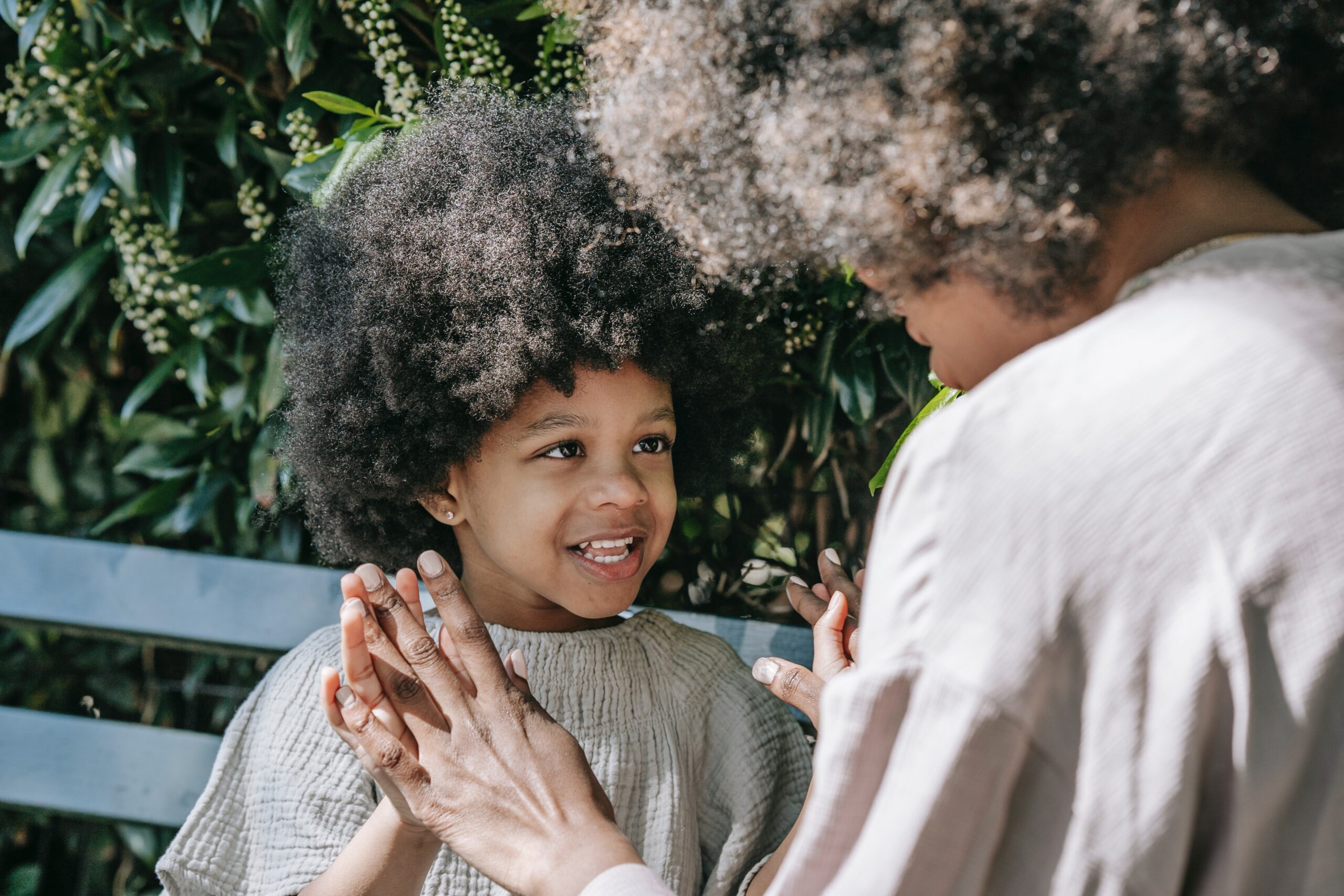
When your child or teen has big feelings, the drive to ‘fix’ them can feel like it’s swallowing us whole – but we don’t need to fix them. They aren’t broken. In that moment, our job isn’t to stop their feelings but to let those feelings do their job, which is bring us alongside them in a way that supports them with the emotional load.
Big feelings and big behaviour are a call for us to come closer. They won’t always feel like that, especially if those big feelings come bundled with spicy words or big behaviour, but they are a call to bring us closer. Not ‘closer’ in an intrusive ‘I need you to stop this’ way, but closer in an ‘I’ve got you, I can handle all of you’ kind of way – no judgement, no need for you to be different – I’m just going to make space for this feeling to find its way through.
Our kids and teens are no different to us. When we have feelings that fill us to overloaded, the last thing we need is someone telling us that it’s not the way to behave, or to calm down, or that we’re unbearable when we’re like this. No – that doesn’t work for us, and it doesn’t work for them. What they need is what we all need – a safe place to find their out-breath, and to let the energy connected to that feeling move through them and out of them so they can rest. But how?
What do they need from us?
First, don’t take big feelings personally. Their big feelings aren’t a reflection on you, your parenting, or your child. Big feelings have wisdom contained in them about what’s needed more or less, or what feels intolerable right now. Sometimes it might be as basic as sleep or food. Maybe more power, influence, independence, or connection with you. Maybe there’s too much stress hitting their ceiling and ricocheting off their edges. The time to process that wisdom will come, but first, the energy that’s connected to those big emotions (e-motion, as in ‘energy in motion’) needs to move through them.
Sometimes they’ll want help. Sometimes they’ll want a hug. If you’re not sure if this is a hug situation or a help situation, it’s always okay to ask. This might sound something like, ‘You’re done with today, aren’t you. Would you like me to sit with you or give you space?’ Or, ‘Would you like to talk about it, or would you like to be distracted from it for a while? I can do either.’ Or, ‘It looks like something is going on for you. You don’t need to talk about it if you don’t want to, but if you want to, I’m here. There’s nothing you can tell me that I can’t handle.’
And if you get it wrong.
Sometimes, of course, you might make the wrong call. (I’ve done this more times than I care to count!) You might jump into problem-solving, thinking you’re helping, only to see big feelings get bigger. If this happens, acknowledge what’s happened, ‘I think I made a mistake just then. I tried to solve the problem, but I can see you didn’t need me to do that. I’m wondering if what you actually needed was for me to listen. I’m sorry I didn’t do that, but I can do it now. Can we try again?’
Are you responding to what’s happening now? Or way back when?
We also need to make sure we are responding to them in the moment, not a fear or an inherited ‘should’ of our own. These are the messages we swallowed whole at some point. Some common ones are:
- ‘happy kids should never get sad or angry’;
- ‘kids should always behave’;
- ‘I should be able to protect my kids from feeling bad’;
- ‘big feelings are bad feelings’;
- ‘bad behaviour means bad kids, which means bad parents.’
All these shoulds are feisty show ponies that assume more ‘rightness’ than they deserve. They are usually historic, and when we really examine them, they’re also irrelevant.
And finally …
Finally, try not to let the symptoms of big feelings disrupt the connection. When our children have big feelings, our role as their important adults isn’t to change them or their feelings but to guide them gently and lovingly back home to calm. From there, they will be more open to learning, but only if they can rest in our love and leadership.
Of course, we have to be radically kind to ourselves too. Not only are we growing our children, but we’re also growing ourselves – and growing is hard. Some days we’ll be able to give them what they need, and some days we won’t. Both are the responses of loving, committed, wonderful parents. Collisions will happen. What’s important is that after any collision, the repair is deliberate, loving, and honest about our part. When we do this, we model humility, compassion, empathy, and the beautiful imperfection of being human – all of these learnings are also essential for growth – theirs and ours.



Do you need to be heard, to be helped or a hug?
Wonderful insight and practical advise. Thank you
Thank you for this great article. So helpful and so timely.