

0 items | AUD  0.00

The Beautiful Imperfection of Parenting

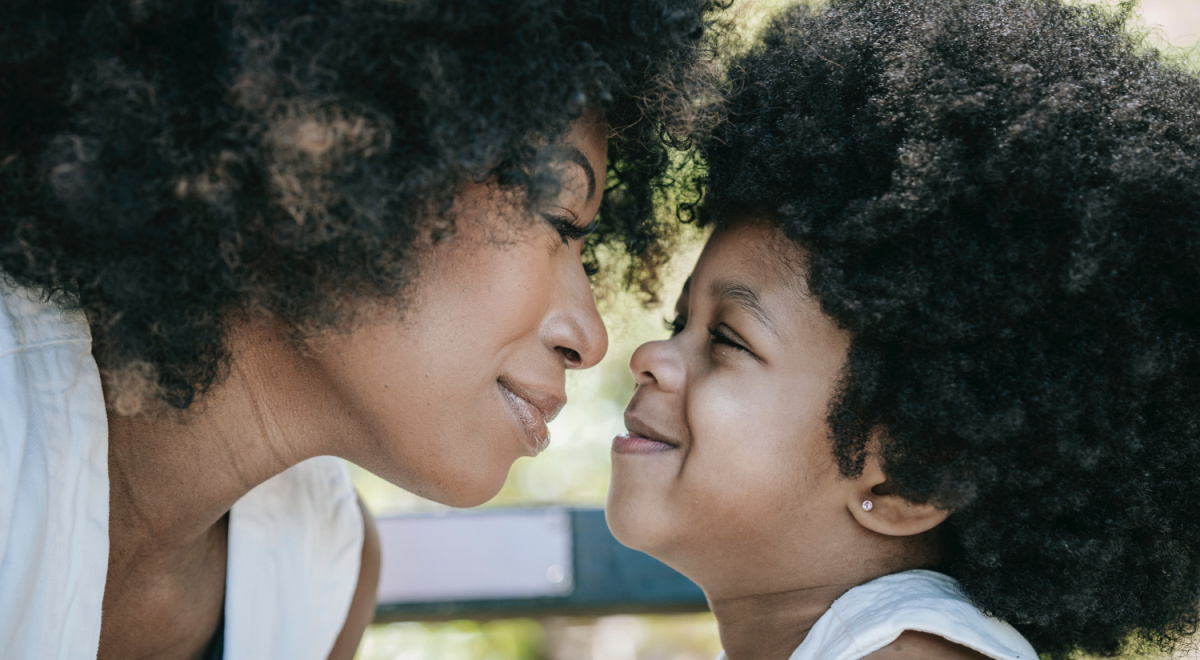
Mom and daughter in duality of parenting

I love being a parent. I love it with every part of my being and more than I ever thought I could love anything. Honestly though, nothing has brought out my insecurities or vulnerabilities as much. This is so normal. Confusing, and normal.

We have to lovingly make way for the duality of parenting. It’s joyful and lonely. It nourishes and depletes. It’s tender and maddening. We discover the richest, most luminescent parts of ourselves, while we feel other parts go missing for a while.

We are selfless, loving, and nurturing. And sometimes we aren’t. It was never meant to be about perfection. It’s about love, and love is never perfect. It’s honest, raw, pure. It’s irrational and infuriating. It’s beautiful, life-giving, and imperfect. So are we. So are our children. Let’s no give them a ridiculous ideal to live up to by expecting ourselves or our parenting to be otherwise.

However many children we have, and whatever age they are, each child and each new stage will bring something new for us to learn. It will always be this way. Our children will each do life differently, and along the way we will need to adapt and bend ourselves around their path to light their way as best we can. But we won’t do this perfectly, because we can’t always know what mountains they’ll need to climb, or what dragons they’ll need to slay. We won’t always know what they’ll need, and we won’t always be able to give it. We don’t need to. But we’ll want to. Sometimes we’ll ache because of this and we’ll blame ourselves for not being ‘enough’. Sometimes we won’t. This is the vulnerability that comes with parenting.

We love them so much, and that never changes, but the way we feel about parenting might change a thousand times before breakfast. Parenting is tough. It’s worth every second – every second – but it’s tough. Great parents can feel everything, and sometimes it can turn from moment to moment – loving, furious, resentful, compassionate, gentle, tough, joyful, selfish, confused and wise – all of it. Great parents can feel all of it. Because parenting is pure joy, but not always. We are strong, nurturing, selfless, loving, but not always. Parents aren’t perfect. Love isn’t perfect. And it was meant to be. We’re raising humans – real ones, with feelings, who don’t need to be perfect, and wont need others to be perfect. Humans who can be kind to others, and to themselves first. But they will learn this from us.

Parenting is the role which needs us to be our most human, beautifully imperfect, flawed, vulnerable selves. Let’s not judge ourselves for our shortcomings and the imperfections, and the necessary human-ness of us.

3 Comments

Roy

Last night I got a call from my son, who was upset at my parenting skills or lack of skills. I could not see through walls and lies told to me, or know what was truth or lies. I was reminded that I had made errors in my parenting because I could not see what was obvious to them. I tried my best to deal with every problem with limited knowledge, time, and with others always watching what I was doing being a parent. The work and life balance never seemed to be balanced enough to make everything thing just right. We are all humans with limitations and time constraints that make it hard to make the right choices. Your children only learn after they have made the same mistakes that you have made in bringing them up. My son wants to be a parent now after telling me that he never would, but life is going to put him in that position sooner than later. I wish him and his wife the best to deal with being imperfect in an imperfect world, and to raise a child in it. It will be hard. I love my children, but I am always reminded that I to am not perfect and I will not say I am either.

Beautiful article you have written and thank you for writing it.

Reply
Michelle

Thank you. I didn’t have “perfect” parents; they were to know what that looked like to begin with. This made me so scared of failing my kids. But, you reminded me that they don’t need me to be perfect. They need me to be real. It shows them how to adapt and correct when needed. How to celebrate the little moments. How to love one another, even when it’s hard. Thank you!

Reply
Saul G

Thank you for this beautiful reminder. I struggle mightily with perfection in parenthood.Now I feel more human after reading this.

Thank you

Kindly,

Saúl

Reply

Leave a Reply

Your email address will not be published. Required fields are marked *


Join our newsletter

We would love you to follow us on Social Media to stay up to date with the latest Hey Sigmund news and upcoming events.

Follow Hey Sigmund on Instagram

Their calm and courage starts with ours.

This doesn’t mean we have to feel calm or brave. The truth is that when a young person is anxious, angry, or overwhelmed, we probably won’t feel calm or brave.

Where you can, tap into that part of you that knows they are safe enough and that they are capable of being brave enough. Then breathe. 

Breathing calms our nervous system so theirs can settle alongside. 

This is co-regulation. It lets them borrow our calm when theirs is feeling out of reach for a while. Breathe and be with.

This is how calm is caught.

Now for the brave: Rather than avoiding the brave, important, growthful things they need to do, as long as they are safe, comfort them through it.

This takes courage. Of course you’ll want to protect them from anything that feels tough or uncomfortable, but as long as they are safe, we don’t need to.

This is how we give them the experience they need to trust their capacity to do hard things, even when they are anxious.

This is how we build their brave - gently, lovingly, one tiny brave step after another. 

Courage isn’t about being fearless - but about trusting they can do hard things when they feel anxious about it. This will take time and lots of experience. So first, we support them through the experience of anxiety by leading, calmly, bravely through the storm.

Because courage isn’t the absence of anxiety.

It’s moving forward, with support, until confidence catches up.♥️
‘Making sure they aren’t alone in it’ means making sure we, or another adult, helps them feel seen, safe, and cared as they move towards the brave, meaningful, growthful thing.❤️
Children will look to their closest adult - a parent, a teacher, a grandparent, an aunt, an uncle - for signs of safety and signs of danger.

What the parent believes, the child will follow, for better or worse.

Anxiety doesn’t mean they aren’t safe or capable. It means they don’t feel safe or capable enough yet.

As long as they are safe, this is where they need to borrow our calm and certainty until they can find their own. 

The questions to ask are, ‘Do I believe they are safe and cared for here?’ ‘Do I believe they are capable?’

It’s okay if your answer is no to either of these. We aren’t meant to feel safe handing our kiddos over to every situation or to any adult.

But if the answer is no, that’s where the work is.

What do you need to know they are safe and cared for? What changes need to be made? What can help you feel more certain? Is their discomfort from something unsafe or from something growthful? What needs to happen to know they are capable of this?

This can be so tricky for parents as it isn’t always clear. Are they anxious because this is new or because it’s unsafe?

As long as they are relationally safe (or have an adult working towards this) and their bodies feel safe, the work is to believe in them enough for them to believe it too - to handle our very understandable distress at their distress, make space for their distress, and show them we believe in them by what we do next: support avoidance or brave behaviour.

As long as they are safe, we don’t need to get rid of their anxiety or big feelings. Lovingly make space for those feelings AND brave behaviour. They can feel anxious and do brave. 

‘I know this feels big. Bring all your feelings to me. I can look after you through all of it. And yes, this is happening. I know you can do this. We’ll do it together.’

But we have to be kind and patient with ourselves too. The same instinct that makes you a wonderful parent - the attachment instinct - might send your ‘they’re not safe’ radar into overdrive. 

Talk to their adults at school, talk to them, get the info you need to feel certain enough, and trust they are safe, and capable enough, even when anxiety (theirs and yours) is saying no.❤️
Anxiety in kids is tough for everyone - kids and the adults who care about them.

It’s awful for them and confusing for us. Do we move them forward? Hold them back? Is this growing them? Hurting them?

As long as they are safe - as long as they feel cared for through it and their bodies feel okay - anxiety doesn’t mean something is wrong. 
It also doesn’t mean they aren’t capable.

It means there is a gap: ‘I want to, but I don’t know that I’ll be okay.’

As long as they are safe, they don’t need to avoid the situation. They need to keep going, with support, so they can gather the evidence they need. This might take time and lots of experiences.

The brain will always abandon the ‘I want to,’ in any situation that doesn’t have enough evidence - yet - that they’re safe.

Here’s the problem. If we support avoidance of safe situations, the brain doesn’t get the experience it needs to know the difference between hard, growthful things (like school, exams, driving tests, setting boundaries, job interviews, new friendships) and dangerous things. 

It takes time and lots of experience to be able to handle the discomfort of anxiety - and all hard, important, growthful things will come with anxiety.

The work for us isn’t to hold them back from safe situations (even though we’ll want to) but to help them feel supported through the anxiety.

This is part of helping them gather the evidence their brains and bodies need to know they can feel safe and do hard things, even when they are anxious.

Think of the space between comfortable (before the growthful thing) and ‘I’ve done the important, growthful thing,’ as ‘the brave space’. 

But it never feels brave. It feels like anxious, nervous, stressed, scared, awkward, clumsy. It’s all brave - because that’s what anxiety is. It’s handling the discomfort of the brave space while they inch toward the important thing.

Any experience in the brave space matters. Even if it’s just little steps at a time. Why? Because this is where they learn that they don’t need to be scared of anxiety when they’re heading towards something important. As long as they are safe, the anxiety of the brave space won’t hurt them. It will grow them.❤️
In the first few days or weeks of school, feelings might get big. This might happen before school (the anticipation) or after school (when their nervous systems reach capacity).

As long as they are safe (relationally, physiologically) their anxiety is normal and understandable and we don’t need to ‘fix’ it or rush them through it. 

They’re doing something big, something brave. Their brains and bodies will be searching for the familiar in the unfamiliar. They’re getting to know new routines, spaces, people. It’s a lot! Feeling safe in that might take time. But feeling safe and being safe are different. 

We don’t need to stop their anxiety or rush them through it. Our work is to help them move with it. Because when they feel anxious, and get safely through the other side of that anxiety, they learn something so important: they learn they can do hard things - even when they feel like they don’t have what it takes, they can do hard things. We know this about them already, but they’ll need experience in safe, caring environments, little by little, to know this for themselves.

Help them move through it by letting them know that all their feelings are safe with you, that their feelings make sense, and at the end of the day, let those feelings do what they need to. If they need to burst out of them like a little meteor shower, that’s okay. Maybe they’ll need to talk, or not, or cry, or get loud, or play, or be still, or messy for a while. That’s okay. It’s a nervous system at capacity looking for the release valve. It’s not a bad child. It’s never that. 

Tomorrow might be tricker, and the next day trickier, until their brains and bodies get enough experience that this is okay.

As long as they are safe, and they get there, it all counts. It’s all brave. It’s all enough.❤️