

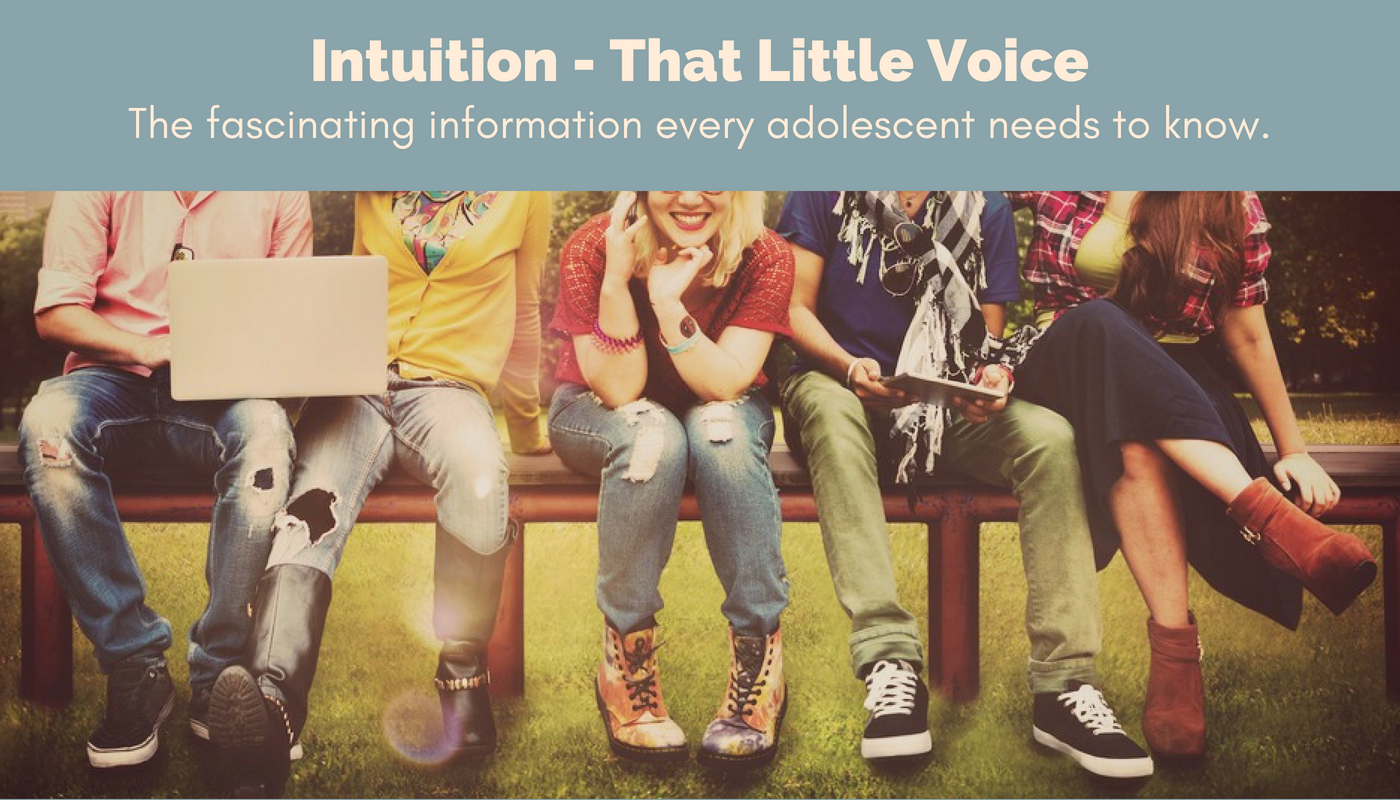
Intuition is real – science says so. Let’s talk about what it is, why it matters, and how to use it. It’s that little voice in you, and it’s more important than you know.
Transcript:
Making a good decision or a right decision isn’t always easy. It requires strength, courage and wisdom. We have something on board that can really help with this if we let it. It’s called intuition. You’ve probably heard of intuition but you might not know exactly what it is. Intuition is a very real thing.
Researchers have found that we humans operate on two systems. One is a really immediate, automatic, quick system. That’s our intuition. Our intuition draws on memories and experiences and everything that we know inside us, but it isn’t always available to our awareness. When we have an experience, all of that wisdom and the learning and memories from that experience, they don’t just disappear. They get stored away and that’s what our intuition taps into. We’re not always aware of where it comes from or why we have that voice inside us, but it’s very real.
The other system that we humans operate on is more analytical. It’s slower and it’s where we take time to consider things. That’s a really great thing to do. It’s a really healthy thing to do, but sometimes things like fear or peer pressure or pressure from outside can get in the way and steer us in a direction which isn’t great. If you can put the two systems together, that’s a really brilliant way to make a good decision.
Intuition is that little voice inside you that tells you where you need to be or what direction you need to move in. It’s that little voice and it’s really important, really powerful, and very real. So, when you have that feeling that something isn’t right, or feels fake, or that there’s a better way to do things, or there’s a better decision, a different decision that needs to be made, listen to it. People call it gut instinct or heart whispers, but it’s all intuition. It’s all the wisdom we’ve learned that gets stored away and stays there for us to tap into to make good decisions. It’s in all of us and it’s really important. So listen to that little voice inside you and let it guide you in the right direction.
![It’s the simple things that are everything. We know play, conversation, micro-connections, predictability, and having a responsive reliable relationship with at least one loving adult, can make the most profound difference in buffering and absorbing the sharp edges of the world. Not all children will get this at home. Many are receiving it from childcare or school. It all matters - so much.
But simple isn’t always easy.
Even for children from safe, loving, homes with engaged, loving parent/s there is so much now that can swallow our kids whole if we let it - the unsafe corners of the internet; screen time that intrudes on play, connection, stillness, sleep, and joy; social media that force feeds unsafe ideas of ‘normal’, and algorithms that hijack the way they see the world.
They don’t need us to be perfect. They just need us to be enough. Enough to balance what they’re getting fed when they aren’t with us. Enough talking to them, playing with them, laughing with them, noticing them, enjoying them, loving and leading them. Not all the time. Just enough of the time.
But first, we might have to actively protect the time when screens, social media, and the internet are out of their reach. Sometimes we’ll need to do this even when they fight hard against it.
We don’t need them to agree with us. We just need to hear their anger or upset when we change what they’ve become used to. ‘I know you don’t want this and I know you’re angry at me for reducing your screen time. And it’s happening. You can be annoyed, and we’re still [putting phones and iPads in the basket from 5pm] (or whatever your new rules are).’♥️](https://www.heysigmund.com/wp-content/plugins/instagram-feed-pro/img/placeholder.png)


Leave a Reply