

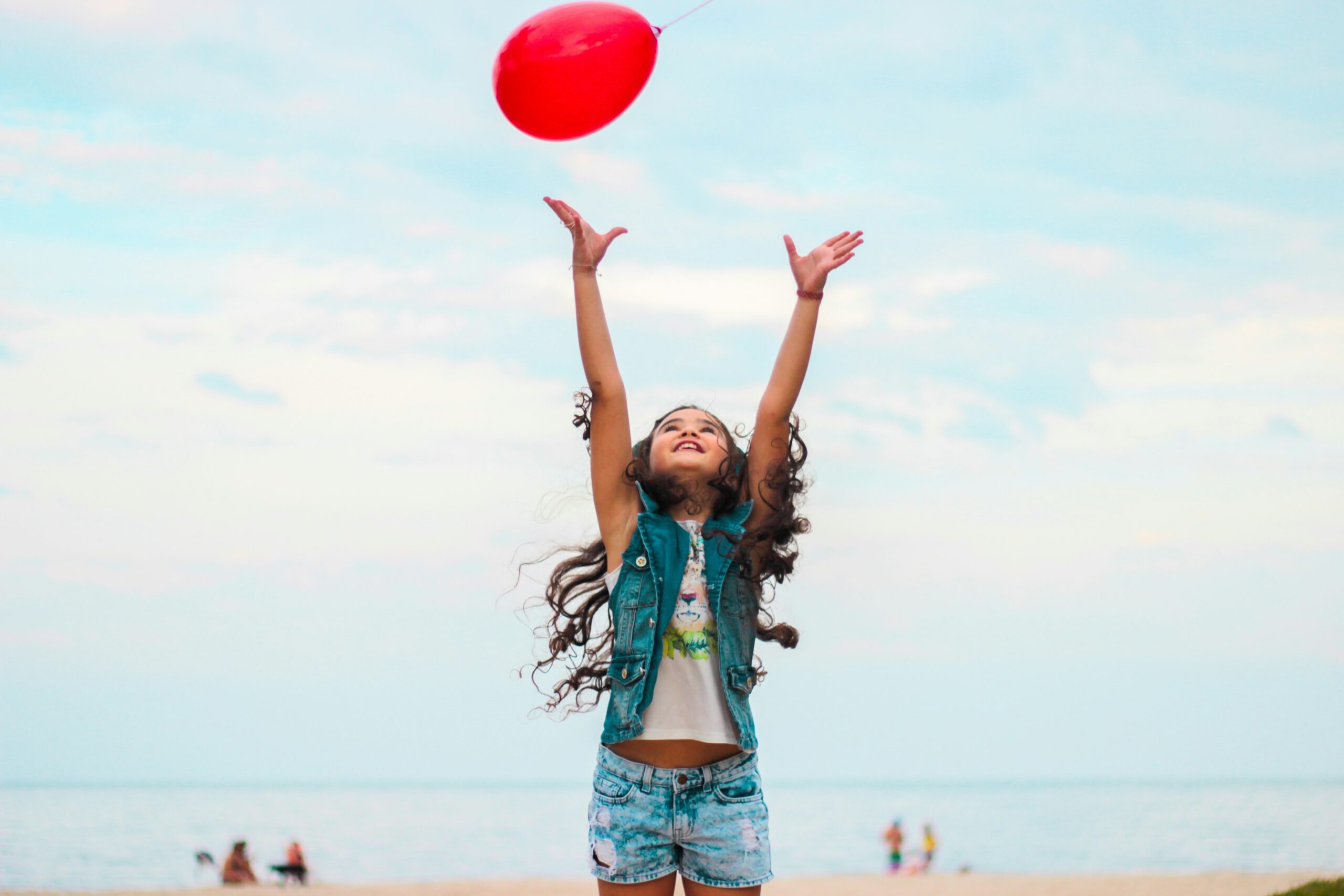
Anxiety is all about energy. It’s our brain and body giving us what we need to move ourselves to safety, either by fighting or fleeing. When anxiety feels awful, it’s because that energy has nowhere to go – nothing to fight, nothing to flee.
Excess energy might look like anger (fight), running away (flight), hyperactivity, restlessness, wriggly fidgety behaviour. Thwarted energy might look like stillness, withdrawal, a wilted, sunken posture.
Every symptom of anxiety is driven by a brain that has registered ‘threat’ and is preparing the body with the energy needed to fight, flee, or hide. These symptoms can include sick or sore tummies, sore muscles, racey heart, breathlessness, clammy skin – to name a few. These symptoms are usually at the heart of the need to avoid, which is so common with anxiety.
But first … let’s talk about avoidance.
Avoidance is often more about avoiding the thoughts, feelings, or physiology of anxiety than it is about avoiding an actual ‘thing’. Let me explain.
Even if kids know they are safe enough as they approach something that seems to be driving their anxiety, they will also be aware of anxious thoughts, anxious feelings, and a body that doesn’t feel okay – maybe a sick tummy, a racey heart, clammy skin. It doesn’t take much for those awful feelings to become associated with the ‘thing’ that seems to be driving it – separation, bedtime, school, new things, brave things, hard things. Understandably, the brain would want to avoid the anxious feelings and physiology, but when a brain is in threat mode, it can’t separate the physiology from the ‘thing’. It just drives fight or flight of whatever is in the way, even if it’s completely safe.
The most obvious way to avoid the awful feelings of anxiety is to avoid the thing that seems to be driving it … but there is another way. Helping your young person find a way to spend the fight or flight energy will help to calm anxiety and bring it back to small enough.
A few minutes of something that can give that energy somewhere to go – moving, breathing, grounding, big swinging arms, moving rhythmically (swinging, swaying), walking – can make a difference. Movement can be a powerful way to bring the body (and brain) back to calm, as it’s the natural end of the fight/flight response. It helps to discharge the excess energy (fight or flight energy), or move the stuck energy (when the body is in a freeze state). This helps to bring the physiology back to calm, which can in turn help to bring anxious thoughts, feelings and behaviour back to calm enough.
The physical symptoms of anxiety will continue to drive anxiety until we give that energy somewhere to go, so let’s talk about how to do that.
Step 1: Plan for those ‘anxiety’ moments – but make the why clear.
The key is helping kids prepare during calm times so they are more able to draw on their strategies in the moment when anxiety hits. When the brain registers ‘threat’, it takes every resource in service of our survival. It becomes laser focussed on keeping us safe, so it can’t do anything that is unfamiliar. This is why practising the strategies – breathing, movements – is so important. The words to help kids understand why planning and practising are important might sound something like this:
‘When anxiety or big feelings happen, it means your brain thinks there’s something it needs to protect you from. When this happens, it becomes completely focussed on keeping you safe. It loves you so much – it will always do whatever it thinks it needs to, to look after you and keep you safe and alive. (Brains love keeping us alive. It’s their favourite thing to do.)
Remember, though, just because the brain registers something as ‘danger’ doesn’t mean it’s actually dangerous. It might be something brave, hard, new, or important – all things the brain registers as ‘danger’, but which are actually safe ‘scary-safe‘.’)
When your brain thinks it needs to protect you, it will use everything it can to ready your body to fight the ‘danger’, run away from the ‘danger’, or hide from the ‘danger’. It’s so focussed on protecting you, that it can only do things that are really familiar.
This is why strong breathing, moving, or doing the things that will help you feel calm might actually feel tricky when you’re anxious – because they’re unfamiliar to your anxious brain. So how do we make new things familiar?
Through practice.
Practice breathing, moving, or grounding yourself (what are 5 things I can see, 4 things I can hear, 3 things I can feel outside my body, 2 things I can smell, and one thing I can taste) when you’re brain is calm and relaxed, so it can do these things more easily when it’s anxious.
Step 2: What are your anxiety body cues?
Anxiety is physiology. It’s a brain that doesn’t feel safe and a body getting ready to respond with fight, flight, or shutdown. To prepare the body for this response, the brain fuels the body with energy. This energy will manifest in the physical symptoms of anxiety. This is what leads to the awful feelings of anxiety, which will lead to the response – fight (tantrums, aggression, irritation), flight (avoidance, clinginess, perfectionism), or shutdown (withdrawal, wilting).
If children and teens can start to be aware of their cues (the signs in their body that anxiety is about to swoon in and wrap its woolly arms around them), they can start to catch anxiety before it takes hold. Doing this will make it much easier to short-circuit anxiety before it gets too big.
Ask, ‘Where in your body do you feel it when you get anxious/ angry/ nervous?‘
These feelings are a cue that their beautiful, powerful brain is preparing their body for fight or flight. Invite them to ask themselves, ‘Do I feel like this because I’m in danger (is this scary-dangerous) or because there’s something brave, important, new, hard I need to do (is this scary-safe)?’
Of course if it’s dangerous, we want to support them to get to safety, but if they are safe, this is the time for them to help their brains and bodies back to calm.
Step 3: The doing. From anxious to calm.
As soon as they get their body cues, this is the time to give their anxious energy somewhere else to go. This will either be a way to use the excess, unneeded energy that has been ‘issued’ for fight flight, or a way to move the fight/fight energy that has been blocked.
For excess energy, moving in a way that helps spend the fight or flight fuel will help bring the body back to calm. This might include running, fast walking, big swinging arms, going up and down the stairs, wall push-ups, moving to a faster rhythm. When the energy is stuck, anything that works to gently get the body moving will help. This might include walking slowly, swinging, swaying, rocking, or moving the body to a more gentle rhythm. The idea is for them to bring their physiology back to calm – give the body what it needs and the brain will follow. When their bodies are calm, their brains will feel safe, and anxiety will be back to small enough.
Remember though, just because someone tells you how to play tennis doesn’t mean you’re going to go out and win a grand slam the next day.
Good things take time. Great things take even longer. We’re building beautiful small humans into beautiful big ones, and their greatest elevation towards this will be our love, patience and the invitation we offer all their feelings to be there along the way.



Absolutely excellent advice!