

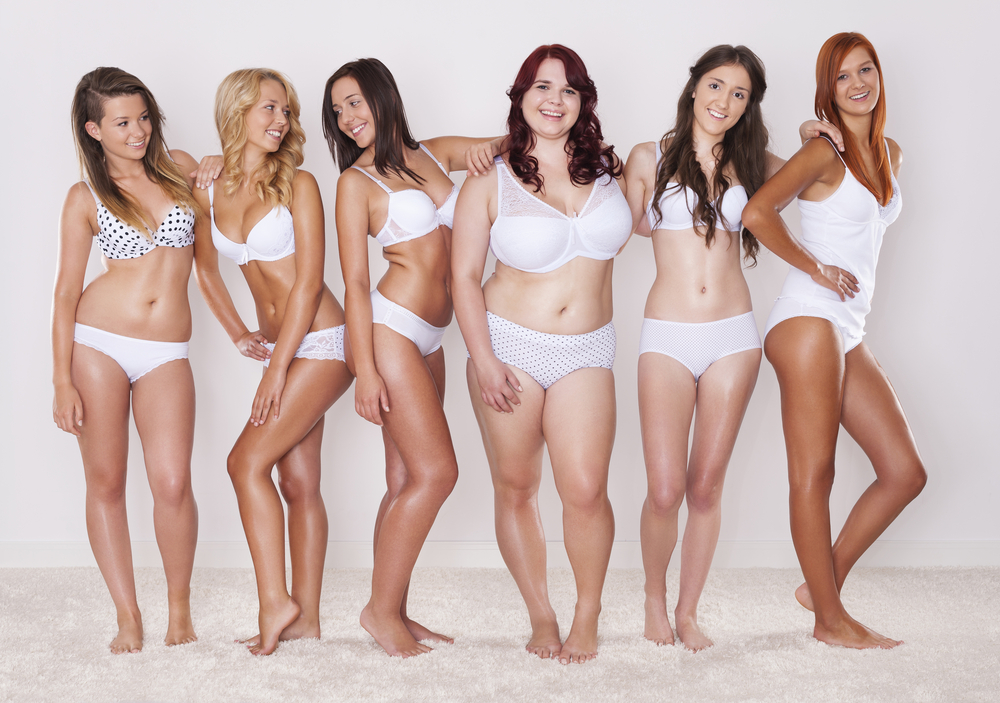
Beauty is more than body measurements, thigh gaps and cheekbones. It always has been. I, for one, never agreed to any rules that suggested it was otherwise. But I have at times found myself caught up in the propaganda.
How would your life be different if knew that you were beautiful? Not just knew it, but felt it so deeply and so fully that you didn’t even know it was a matter of choice. What if it was built into your bones and as much a part of you as your DNA?
Time to make it happen because we deserve nothing less …
-
Fake it ‘til you make it.
Act as though you love who you are – bumps, curves and all. How would you stand? How would you move? Assume the confidence. Even if you don’t believe it at first, act as though it’s true. Eventually your mind will catch up and believe in it for real. Honestly. Some of the most remarkably beautiful women have curves and cellulite (think Marilyn Monroe, Adele). What they have in common is confidence (which is astoundingly different to arrogant or conceited) and there is nothing more beautiful than that. Try it. There’s absolutely nothing to lose.
-
Stop avoiding and start enjoying your body.
Avoidance breeds avoidance. Your body is the only one you have and deserves your nurturance, pampering and protection. Get to know your body and embrace all of it. Spend some time naked. Lay around listening to music. Look at your naked body. Touch it, pamper it, be kind to it. Own your bumps, curves and dints with grace and affection – and don’t let anybody, especially you – sell you the idea that your less than for having them there.
-
Self compassion.
Be kind to yourself in the face of disappointment. Treat yourself the way you would treat a best friend. You deserve the same kindness and respect. Research has shown that the more self-compassion you have in response to disappointments in your life, the more likely it is that you’ll have a positive body image. The compassion will spill into the way you treat your body.
-
Ditch the witch.
Lose the critic in your head who smack talks your body. Accept your body – all of it. Look at what you can do because it works damn hard for you, not the least of which is in keeping you alive. You wouldn’t keep somebody around if they were rambling on about the way you look all the time. They’d be miserable company and you would know you deserve better. You can’t get away from yourself, so best make it a happy union.
Loving the skin you’re in isn’t easy if you’ve spent a lot of time being down on it. Embrace your body because of your curves, not despite them. You have always been enough. We don’t have to agree with the messages of a paper thin photo shopped world that would have us believe that bodies should be catwalk skinny. It’s a manipulation and it’s time to decide it’s a lie. We are fine – no, so much more than fine – phenomenal, capable, beautiful – exactly the way we are.
For ways to nurture a positive body image in kids and teens, see here.
![It’s the simple things that are everything. We know play, conversation, micro-connections, predictability, and having a responsive reliable relationship with at least one loving adult, can make the most profound difference in buffering and absorbing the sharp edges of the world. Not all children will get this at home. Many are receiving it from childcare or school. It all matters - so much.
But simple isn’t always easy.
Even for children from safe, loving, homes with engaged, loving parent/s there is so much now that can swallow our kids whole if we let it - the unsafe corners of the internet; screen time that intrudes on play, connection, stillness, sleep, and joy; social media that force feeds unsafe ideas of ‘normal’, and algorithms that hijack the way they see the world.
They don’t need us to be perfect. They just need us to be enough. Enough to balance what they’re getting fed when they aren’t with us. Enough talking to them, playing with them, laughing with them, noticing them, enjoying them, loving and leading them. Not all the time. Just enough of the time.
But first, we might have to actively protect the time when screens, social media, and the internet are out of their reach. Sometimes we’ll need to do this even when they fight hard against it.
We don’t need them to agree with us. We just need to hear their anger or upset when we change what they’ve become used to. ‘I know you don’t want this and I know you’re angry at me for reducing your screen time. And it’s happening. You can be annoyed, and we’re still [putting phones and iPads in the basket from 5pm] (or whatever your new rules are).’♥️](https://www.heysigmund.com/wp-content/plugins/instagram-feed-pro/img/placeholder.png)


Leave a Reply